What separates a professional gamer earning six figures from someone stuck in the same rank for years? It's not just raw talent or endless hours of grinding. The world's elite players have developed sophisticated training methodologies that go far beyond simply playing more games.
After interviewing coaches, sports psychologists, and professional players across esports titles from League of Legends to Valorant, we've uncovered the training secrets that transform good players into exceptional ones. These aren't the generic "practice more" tips you'll find elsewhere—these are the specific, actionable techniques that pros use behind closed doors.
In this comprehensive guide, you'll discover the physical exercises that sharpen reaction times, the mental frameworks that build unshakeable composure, and the deliberate practice structures that accelerate skill development faster than casual play ever could. Whether you're an aspiring pro or simply want to climb ranked ladders more effectively, these methods will fundamentally change how you approach gaming skill improvement.
Elite players approach training with the same rigor as traditional athletes
Photo by sour moha on Unsplash
What is Elite Gaming Skill Training?
Elite gaming skill training represents a holistic approach to player development that treats competitive gaming with the same scientific rigor applied to traditional sports. It encompasses far more than simply playing your chosen game—it's a structured system combining physical conditioning, cognitive enhancement, psychological development, and deliberate practice methodologies.
Professional esports organizations now employ full coaching staffs that include not just game-specific coaches, but also sports psychologists, physical trainers, nutritionists, and data analysts. According to research published by the National Institutes of Health, esports athletes face unique physical and mental demands that require specialized training approaches.
The core philosophy behind elite training is intentionality. Every practice session has specific goals. Every exercise targets measurable improvements. Random play is replaced with structured development across multiple skill domains.
8-12 hrs
Daily Practice
Average structured training time for pro players
30%
Non-Gaming Training
Time elite players spend on physical/mental exercises
150-250ms
Pro Reaction Times
Target range for competitive FPS players
2-3 years
Development Timeline
Average time to reach professional level with proper training
The Four Pillars of Elite Training
Professional gaming skill development rests on four interconnected pillars:
Mechanical Skills — The physical execution of in-game actions, including aim, movement, ability timing, and input precision. These skills form the foundation that enables everything else.
Game Knowledge — Deep understanding of game systems, meta strategies, matchups, and situational decision-making. This cognitive layer determines how effectively you apply mechanical skills.
Mental Performance — Psychological resilience, focus management, tilt control, and competitive mindset. Mental performance often determines outcomes when mechanical and knowledge skills are equal.
Physical Optimization — Sleep, nutrition, exercise, and ergonomics that maximize cognitive function and prevent injury. This supporting pillar enables sustained high performance across the others.
Why Gaming Skill Improvement Training Matters
The difference between structured training and casual grinding is staggering. Players who implement professional training methodologies consistently report faster improvement curves, more sustainable progress, and reduced burnout compared to those who simply play more hours.
Research from Human Benchmark, a platform used by millions to test cognitive abilities, shows that targeted training can improve reaction times by 15-30% over several months. More importantly, these improvements transfer across games and persist over time when maintained with regular practice.
Aspect
Casual Practice
Structured Training
Improvement Rate
Slow, plateaus common
Consistent, measurable progress
Skill Retention
Degrades quickly without play
Maintains with less practice
Burnout Risk
High after extended grinding
Lower due to varied activities
Transferable Skills
Minimal cross-game benefit
Develops universal gaming abilities
Peak Performance
Inconsistent day-to-day
More reliable under pressure
Longevity
Declines with age faster
Extended competitive prime
Competitive Advantages of Professional Training
When you train like a professional, you develop advantages that compound over time:
Faster Pattern Recognition — Structured training accelerates your brain's ability to identify and respond to in-game patterns, giving you precious milliseconds of advantage in every encounter.
Consistent Performance Under Pressure — Mental training techniques ensure you perform at your peak during crucial moments rather than choking when stakes are highest.
Reduced Injury Risk — Professional ergonomics and physical training prevent the repetitive strain injuries that end many gaming careers prematurely.
Efficient Time Usage — Two hours of deliberate practice produces better results than six hours of mindless play, allowing you to improve while maintaining life balance.
The esports industry has matured significantly, with organizations investing millions in player development. The training secrets that once gave top teams their edge are now accessible to anyone willing to implement them systematically.
How to Train Your Reaction Time Like a Pro
Reaction time is perhaps the most sought-after improvement for competitive gamers, especially in fast-paced genres like first-person shooters and fighting games. While genetics play a role in baseline reaction speed, research consistently shows that targeted training produces measurable improvements.
Professional players approach reaction training on multiple fronts: reducing input lag in their setup, training raw visual-motor response speed, and developing game-specific anticipatory reactions that bypass the limitations of pure reflex.
0 of 6 completed
0%
Use a 144Hz+ monitor, low-latency mouse, and wired connections. Hardware improvements can reduce total system latency by 30-50ms.
Spend 10 minutes daily on Human Benchmark or Aim Lab's reaction tests. Track your averages over time to measure improvement.
Train yourself to react to patterns and audio cues rather than waiting for visual confirmation. This effectively 'speeds up' your reactions.
Practice peripheral vision awareness and rapid eye movement exercises. Many pros use apps like GlassesOff or similar visual training tools.
Research shows reaction times degrade by 10-25% when sleep-deprived. Aim for 7-9 hours consistently.
Moderate caffeine intake (100-200mg) 30-45 minutes before competition can improve reaction times. Avoid tolerance buildup through cycling.
The Science Behind Reaction Training
Your reaction time consists of three components: perception (seeing the stimulus), processing (deciding what to do), and motor response (executing the action). Professional training targets all three.
Perception Training involves improving how quickly your visual system registers and transmits information. This includes training your eyes to stay relaxed rather than fixated, developing stronger peripheral awareness, and learning to identify threat patterns from minimal visual information.
Processing Optimization reduces decision-making time through pattern recognition and pre-planned responses. When you've seen a situation thousands of times, your brain shortcuts the deliberation process entirely.
Motor Response Enhancement focuses on reducing the time between decision and action through consistent muscle memory development and reduced tension in hands and arms during play.
Before any competitive play or serious practice, professionals run through structured warm-up routines:
Physical Warm-Up (5 min) — Hand stretches, wrist rotations, shoulder rolls, and light arm movements to increase blood flow and reduce tension.
Cognitive Activation (5 min) — Reaction time tests or simple pattern matching games to wake up visual-motor pathways.
Game-Specific Drills (15-20 min) — Aim trainers, practice modes, or casual matches focused on mechanical execution without competitive pressure.
Mental Preparation (5 min) — Breathing exercises and visualization of successful play to establish optimal competitive mindset.
This 30-minute routine dramatically improves first-game performance compared to jumping straight into ranked play.
How to Develop Strategic Thinking and Game Sense
Raw mechanical skill only takes you so far. At high levels of play, strategic thinking and game sense separate the professionals from the mechanically gifted amateurs. This cognitive dimension of gaming is often undertrained because it requires different methods than simply playing matches.
Game sense encompasses map awareness, enemy prediction, resource management, timing optimization, and strategic adaptation. It's the ability to know what's happening across the entire game state and make optimal decisions based on incomplete information.
VOD Review: The Most Underused Training Method
Every professional esports organization requires players to review recordings of their gameplay, yet amateur players rarely engage in this practice. VOD (Video on Demand) review is the single most effective method for developing strategic thinking.
How to Review Your Games Effectively:
Record all competitive games using software like OBS Studio or built-in game recording features.
Wait at least 30 minutes before reviewing to gain emotional distance from the outcome.
Watch without sound first to focus purely on positioning and decision-making patterns.
Identify 3-5 "decision points" where the game could have gone differently based on your choices.
For each decision point, ask: What information did I have? What did I choose to do? What were the alternatives? What would the optimal choice have been?
Document patterns in your mistakes—most players make the same 3-4 errors repeatedly.
Create specific practice goals based on identified weaknesses.
The difference between a Diamond and a Challenger player isn't mechanics—it's the quality of their decisions over thousands of micro-moments each game. You can't improve decision-making without studying it.
Peter Dun
Former Head Coach, Evil Geniuses League of Legends
Studying Professional Play
Watching professional matches with an analytical mindset accelerates game sense development dramatically. However, passive viewing provides minimal benefit—you need active engagement.
The Prediction Pause Method:
While watching pro games, pause before major decisions and predict what the professional player will do. Then unpause and compare. This forces you to engage with strategic reasoning rather than just observing outcomes.
The Why Journal:
Keep notes while watching pro play. Every time something happens, write down why you think the player made that choice. Review your notes against post-match analyst breakdowns when available.
Focused Study Sessions:
Rather than watching random matches, select specific players or teams known for excellence in areas you want to improve. Study one aspect (early game aggression, defensive rotations, resource timing) across multiple games.
Cross-Genre Training for Adaptability
An unconventional technique used by several professional players involves regularly playing games from different genres to develop transferable strategic thinking patterns.
Turn-Based Strategy Games (Chess, XCOM, Civilization) train long-term planning and consequence evaluation without time pressure.
Card Games (Hearthstone, Poker, Magic: The Gathering) develop probability assessment, resource management, and reading opponents.
Real-Time Strategy Games (StarCraft, Age of Empires) build multi-tasking ability and macro-level decision making.
Puzzle Games (Portal, The Witness, Tetris) strengthen pattern recognition and spatial reasoning.
Spending 2-3 hours weekly on strategically demanding games outside your main title builds cognitive flexibility that transfers back to your primary game.
How to Build Mental Resilience and Tilt Control
Mental performance is the most overlooked aspect of gaming skill development, yet it frequently determines competitive outcomes. Two players with identical mechanical skill and game knowledge can perform vastly differently based on their psychological state. Professional organizations now employ dedicated sports psychologists because mental training provides such significant competitive advantages.
Tilt—the emotional state of frustration that degrades performance—costs players countless games and ranking points. Learning to manage emotional responses under pressure separates those who can perform in tournaments from those who only excel in low-stakes environments.
Understanding the Psychology of Competition
The American Psychological Association has extensively documented performance psychology principles that apply directly to esports. Key concepts every competitive gamer should understand include:
Arousal Regulation — Performance follows an inverted-U curve relative to arousal level. Too relaxed leads to unfocused play; too amped leads to mechanical errors and poor decisions. Optimal performance requires finding your ideal arousal zone and techniques to reach it.
Process vs. Outcome Focus — Fixating on winning or losing degrades performance. Elite competitors focus entirely on executing their next action correctly, trusting that good process leads to good outcomes over time.
Attentional Control — The ability to direct focus where it's needed and filter distractions. This is a trainable skill that improves with deliberate practice.
Emotional Regulation — Recognizing emotional states and applying techniques to shift them when needed. This doesn't mean suppressing emotions but channeling them productively.
0 of 6 completed
0%
Box breathing (4 seconds in, 4 hold, 4 out, 4 hold) activates the parasympathetic nervous system and reduces stress response. Use between games and during loading screens.
Consistent routines before competitive play signal your brain to enter performance mode. Build a 5-10 minute ritual you perform before every session.
Choose a short phrase that reminds you to refocus. Something like 'next play' or 'control what I can control.' Practice using it until it becomes automatic.
Instead of 'win 5 games today,' try 'focus on my crosshair placement in every engagement.' This keeps attention on controllable factors.
Rate your emotional state before and after sessions on a 1-10 scale. Over time, you'll identify patterns between mental state and results.
After 2-3 consecutive losses, take a mandatory 15-30 minute break. Continuing to play while tilted compounds losses and builds bad habits.
Visualization and Mental Rehearsal
Mental rehearsal is standard practice in traditional sports and increasingly common in esports. The brain processes vividly imagined actions similarly to actual physical performance, allowing you to train neural pathways without touching your setup.
Basic Visualization Practice:
Find a quiet space and close your eyes.
Imagine yourself at your gaming setup, completely relaxed and focused.
Visualize specific scenarios from your game—a crucial clutch moment, a difficult mechanical execution, a complex decision tree.
Experience the scenario from first-person perspective with as much sensory detail as possible. Feel the mouse, hear the sounds, see the visuals.
Visualize yourself executing perfectly and confidently.
Practice for 5-10 minutes daily, ideally before sleep when the brain is most receptive.
Advanced Technique: Adversity Rehearsal
Visualize yourself encountering setbacks—losing an early fight, falling behind in score, making a mistake—and then responding with composure and executing a comeback. This builds mental pathways for resilience that activate automatically in real situations.
Mental preparation is as important as mechanical warm-ups for elite players
Photo by baikang yuan on Unsplash
How to Design Your Physical Training Routine
The sedentary nature of gaming creates unique physical challenges that directly impact performance. Professional players increasingly incorporate physical training not just for health, but because it demonstrably improves gaming ability. The connection between physical fitness and cognitive performance is well-established in neuroscience research.
Exercise increases blood flow to the brain, promotes neuroplasticity, improves sleep quality, and enhances reaction times. Professional teams now include physical trainers in their staff because the performance benefits are undeniable.
Cardiovascular Exercise for Cognitive Enhancement
Regular cardiovascular exercise is perhaps the most impactful physical intervention for gaming performance. Research published in the British Journal of Sports Medicine consistently shows aerobic exercise improves executive function, working memory, and processing speed.
Recommended Approach:
- 150 minutes of moderate-intensity cardio per week minimum
- Activities like jogging, cycling, swimming, or brisk walking
- Ideally performed in the morning to boost cognitive function throughout the day
- Avoid intense exercise within 2 hours of competitive play (temporary performance decrease during recovery)
High-Intensity Interval Training (HIIT) provides additional benefits for time-constrained schedules. Just 20 minutes of HIIT 3x weekly produces significant cognitive improvements.
Hand and Wrist Health
Repetitive strain injuries end gaming careers. Carpal tunnel syndrome, tendonitis, and other hand/wrist issues are preventable with proper care but devastating if ignored.
Daily Prevention Routine (5 minutes):
Wrist Circles — 10 rotations each direction, each wrist
Tendon Glides — Move through fist, flat hand, hook fist, full fist, 10 cycles
Forearm Stretches — Extend arm, use other hand to gently pull fingers back, then down
Warning Signs Requiring Immediate Attention:
- Tingling or numbness in fingers
- Pain that persists after stopping play
- Weakness in grip strength
- Pain that wakes you at night
If you experience these symptoms, stop playing and consult a medical professional specializing in repetitive strain injuries.
Exercise Type
Gaming Benefits
Recommended Frequency
Cardio (running, cycling)
Improved reaction time, focus, sleep
30 min, 5x weekly
Hand/wrist stretches
Injury prevention, reduced fatigue
5 min before each session
Posture exercises
Reduced pain, longer sessions
15 min, 3x weekly
Eye exercises
Reduced strain, better tracking
5 min, daily
Strength training
Improved posture, energy levels
30 min, 2-3x weekly
Yoga/stretching
Flexibility, stress reduction
20 min, 2-3x weekly
Ergonomics and Setup Optimization
Your physical setup directly impacts both performance and long-term health. Professional players work with ergonomics specialists to optimize their stations.
Monitor Positioning:
- Top of screen at or slightly below eye level
- 20-26 inches from eyes (arm's length)
- Tilted slightly upward (10-20 degrees)
- No glare from windows or lights
Chair and Desk:
- Feet flat on floor or footrest
- Knees at 90-degree angle
- Chair supports lower back curve
- Armrests at height where shoulders stay relaxed
- Desk height allows forearms parallel to ground
Peripheral Positioning:
- Mouse and keyboard at same height
- Sufficient mousepad space for your sensitivity
- Keyboard slightly tilted or flat (not raised at back)
- Consider split or ergonomic keyboard for extended sessions
How to Structure Your Practice Schedule
The concept of deliberate practice, popularized by psychologist Anders Ericsson, revolutionized how we understand skill development. Random play, regardless of volume, produces limited improvement. Structured practice with specific goals, immediate feedback, and focused repetition accelerates development exponentially.
Professional gamers don't just play more—they practice differently. Their sessions have clear objectives, built-in assessment, and intentional variety to develop complete skill sets.
The Deliberate Practice Framework
Specificity — Each practice session targets specific, identified weaknesses. If your VOD review revealed poor positioning in late-game scenarios, your next session focuses exclusively on that skill.
Appropriate Difficulty — Practice should be challenging enough to require full concentration but not so difficult that you can't execute at all. Aim for 60-80% success rate in training exercises.
Immediate Feedback — You need to know whether each attempt succeeded or failed. This might come from aim trainer scores, replay review, or coaching observation.
Repetition with Refinement — High volume of attempts with conscious effort to improve each iteration. Mindless repetition builds bad habits; focused repetition builds excellence.
Mental Engagement — If you're practicing on autopilot, you're wasting time. Effective practice requires full concentration and active analysis of what's working.
Sample Weekly Training Structure
This template can be adapted to any game or time availability. The key is maintaining structure and variety while prioritizing identified weaknesses.
Monday: Mechanical Focus
- 30 min: Aim trainer or mechanical drills
- 60 min: Ranked/competitive games with mechanical focus
- 15 min: VOD review of mechanical execution
Tuesday: Strategic Development
- 30 min: Pro match analysis or educational content
- 60 min: Ranked games focusing on decision-making
- 30 min: Detailed VOD review of own games
Wednesday: Light Day / Cross-Training
- 20 min: Warm-up and light play
- Optional: Different game for cognitive variety
- Focus on physical exercise
Thursday: Scrimmages / Team Practice
- Full practice with regular team/stack
- Focus on communication and coordination
- Post-session debrief
Friday: Mechanical Focus
- Similar structure to Monday
- Target different mechanical aspects
Saturday: Competition Day
- Tournament play or extended ranked sessions
- Full warm-up routine
- Focus on performing, not practicing
Sunday: Recovery and Review
- Light or no play
- Weekly VOD review compilation
- Goal setting for next week
- Physical recovery focus
Pros
Faster skill development than unstructured play
Clear progress tracking and accountability
Reduced burnout through varied activities
Identifies weaknesses before they cost games
Builds sustainable long-term improvement habits
Cons
Requires discipline to maintain consistently
Less immediately 'fun' than casual play
Initial setup time to create structure
May need to reduce total playing hours
Requires honest self-assessment of weaknesses
Using Aim Trainers and Practice Tools Effectively
Aim trainers like Aim Lab and Kovaak's have become standard training tools for FPS players, but many use them incorrectly. The goal isn't to grind for high scores—it's to develop transferable skills.
Effective Aim Training Principles:
Specificity Matching — Choose exercises that mirror your game. If you play Valorant, focus on flicking and precise tracking. If you play Apex Legends, emphasize smoothness and target switching.
Sensitivity Matching — Always train at your in-game sensitivity. Training at different sensitivities builds incorrect muscle memory.
Short, Focused Sessions — 15-30 minutes of concentrated aim training beats 2 hours of mindless clicking. Quality over quantity.
Varied Exercise Selection — Rotate through different drill types to develop complete aiming ability. Don't just practice what you're already good at.
Progress Tracking — Use the built-in analytics to track improvement over time. Focus on consistency more than peak scores.
Common Mistakes to Avoid
Even motivated players often sabotage their improvement through common errors. Recognizing these pitfalls is the first step to avoiding them. These mistakes are so prevalent because they feel productive while actually hindering progress.
Mistake #1: Volume Over Quality
The belief that more hours automatically equals more improvement is perhaps the most damaging misconception in gaming. Playing 10 hours daily while tilted, unfocused, or on autopilot can actually make you worse by reinforcing bad habits.
The Fix: Track quality metrics, not just time played. Rate each session's focus level. Set firm stop points when quality degrades. One hour of deliberate practice beats five hours of mindless grinding.
Mistake #2: Ignoring Physical Health
Many players sacrifice sleep, exercise, and nutrition for more gaming time, not realizing this trade-off destroys performance. A sleep-deprived player with degraded reaction times and impaired decision-making will lose to their well-rested self every time.
The Fix: Treat physical health as part of your training, not separate from it. Non-negotiable sleep schedules, regular exercise, and proper nutrition are performance investments, not distractions from improvement.
Mistake #3: Blaming External Factors
Teammates, lag, luck, matchmaking—there's always something else to blame. This mindset feels protective but prevents improvement by directing attention away from controllable factors.
The Fix: Adopt radical responsibility. After every loss, ask: "What could I have done differently to win this game regardless of other factors?" There's always something. Find it, document it, and work on it.
Mistake #4: Copying Pros Without Understanding
Watching a professional player use an unusual strategy or setting and copying it directly rarely works. Pro strategies depend on supporting skills, team coordination, and contextual factors that don't transfer automatically.
The Fix: When you see pros doing something interesting, study the why behind it. What problem does it solve? What skills does it require? What situations make it appropriate? Develop your own approach based on principles, not just mimicry.
Mistake #5: Neglecting Mental Game
Focusing exclusively on mechanical and strategic development while ignoring mental performance creates a hard ceiling. Players who tilt, choke under pressure, or can't maintain focus will always underperform their potential.
The Fix: Integrate mental training from the beginning. Practice breathing techniques, develop reset rituals, and work on emotional regulation as seriously as you work on aim or game knowledge.
Mistake #6: Training Only Strengths
It feels good to practice what you're already good at. You see impressive stats and feel competent. But improvement comes from addressing weaknesses, not padding strengths.
The Fix: Honest weakness assessment through VOD review and statistical analysis. Force yourself to spend at least 50% of practice time on identified weaknesses, even when it's uncomfortable.
Best Practices from Professional Players
After speaking with coaches and players from organizations across multiple esports titles, several universal best practices emerged. These principles apply regardless of your specific game or current skill level.
Maintain a Training Journal
Elite players track everything. Games played, performance ratings, goals for each session, insights gained, mental state, sleep quality—all documented systematically. This data reveals patterns invisible to casual observation.
What to Record:
- Date and session duration
- Pre-session mental/physical state (1-10)
- Session goals and whether achieved
- Key learnings or insights
- Mistakes made and patterns noticed
- Post-session mental/physical state
- Win/loss record and notable games
Review your journal weekly to identify trends and adjust training focus accordingly.
Find a Practice Partner or Coach
Solo improvement has limits. Another perspective—whether from a coach, training partner, or even a replay reviewer—catches blind spots you can't see yourself.
Options for Finding Support:
- Join Discord communities for your game and find accountability partners
- Hire coaching sessions from professional players or dedicated coaches
- Form improvement-focused groups that review each other's gameplay
- Participate in amateur leagues that provide structured competitive experience
- Use platforms like Metafy or Gamer Sensei to find qualified coaches
Embrace the Plateau
Every player hits periods where improvement seems to stall despite consistent practice. This is normal and doesn't indicate failure. Plateaus often precede breakthroughs as your brain consolidates new skills.
How to Navigate Plateaus:
- Don't panic or drastically change everything
- Review fundamentals—sometimes basic skills have degraded
- Try new practice methods or focus areas
- Take a short break (2-5 days) to allow mental reset
- Seek outside perspective from coaches or peers
- Trust the process and maintain consistent practice
Everyone wants to be a beast until it's time to do what beasts do. The players who reach the top are the ones who show up and execute their training plan every single day, especially on the days they don't feel like it.
Weldon Green
Esports Psychologist, Formerly Team Liquid, TSM, G2 Esports
Periodize Your Training
Borrowed from traditional sports science, periodization means varying training intensity and focus across different time periods. You can't train at maximum intensity indefinitely without burning out.
Annual Periodization Structure:
- Off-Season: Focus on fundamental skill development and addressing major weaknesses. Lower competitive pressure.
- Pre-Season: Increase intensity and competition. Refine strategies and team coordination.
- Competitive Season: Maintain skills and focus on performance. Reduce experimental training.
- Recovery Periods: Scheduled lighter weeks to prevent burnout and allow physical/mental recovery.
Even without formal seasons, building in recovery weeks prevents the burnout that derails many improvement journeys.
Frequently Asked Questions
Most players notice measurable improvement within 2-4 weeks of consistent structured practice. However, significant skill transformation typically requires 3-6 months of dedicated training. The key variable is consistency—sporadic training produces sporadic results. Players who maintain daily practice routines, even brief ones, see faster improvement than those who train intensively but irregularly. Early gains often come from eliminating bad habits and improving consistency, while deeper skill development takes longer to manifest.
While raw reaction time does decline slightly with age, the impact is often overstated. Most competitive games are decided by decision-making, positioning, and game knowledge rather than pure reflex speed. Players in their 30s and even 40s compete successfully in many esports titles. Training can partially offset age-related reaction time decline, and experience-based anticipation often compensates for any reflex disadvantage. Focus on developing superior game sense and smart play rather than worrying about reaction time benchmarks.
Professional potential depends on multiple factors beyond current skill level. Key indicators include rapid improvement rate, ability to perform under pressure, coachability, and mental resilience. If you're reaching top ranked tiers in your region, continuing to improve despite already being skilled, and maintaining composure in competitive environments, you may have professional potential. However, the most reliable indicator is whether you can maintain the demanding practice schedule for years. Professional gaming requires 8-12 hours of daily training—passion must sustain you through this grind.
There's no universal 'correct' sensitivity—optimal settings depend on your game, playstyle, desk space, and physiology. However, most professional FPS players use relatively low sensitivities that require arm aiming rather than wrist aiming. Lower sensitivities generally offer more precision for micro-adjustments. The most important principle is consistency: pick a sensitivity and stick with it long enough to develop muscle memory. Constantly changing sensitivity prevents proper adaptation. If you do adjust, make small changes and allow 2-3 weeks to adapt before evaluating.
Quality of practice matters more than quantity. Players with limited time should focus on high-impact training: targeted drills, VOD review, and focused competitive play rather than casual grinding. A structured 1-2 hours daily produces better results than sporadic 6-hour sessions. Integrate training into your routine—watch educational content during commutes, do visualization during breaks, and use warm-up routines efficiently. Accept that improvement may be slower than full-time players, but consistent part-time training absolutely produces results over time.
Conclusion
The training methods used by professional gamers aren't secret because they're hidden—they're secret because most players don't believe the fundamentals matter. While others chase shortcuts and gimmicks, the players who reach the top commit to systematic development across mechanical, strategic, mental, and physical domains.
The path from casual player to elite competitor isn't mysterious. It requires honest assessment of your weaknesses, structured practice targeting those weaknesses, consistent physical and mental conditioning, and the discipline to show up day after day when motivation fades.
Start small. Implement one technique from this guide this week—perhaps the VOD review practice, or the daily warm-up routine, or the training journal. Once that becomes habit, add another. Sustainable improvement comes from compounding small gains over time, not from dramatic overnight transformations.
The players who will be competing at the highest levels a year from now are the ones who start training properly today. They're not more talented than you—they're more committed. The question isn't whether these methods work. It's whether you'll do the work.
Ready to Level Up Your Game?
Explore our complete library of strategic guides, tier lists, and pro techniques across all your favorite games. Whether you're climbing ranked ladders or preparing for tournament play, Playing Wise has the insights you need to play smarter.
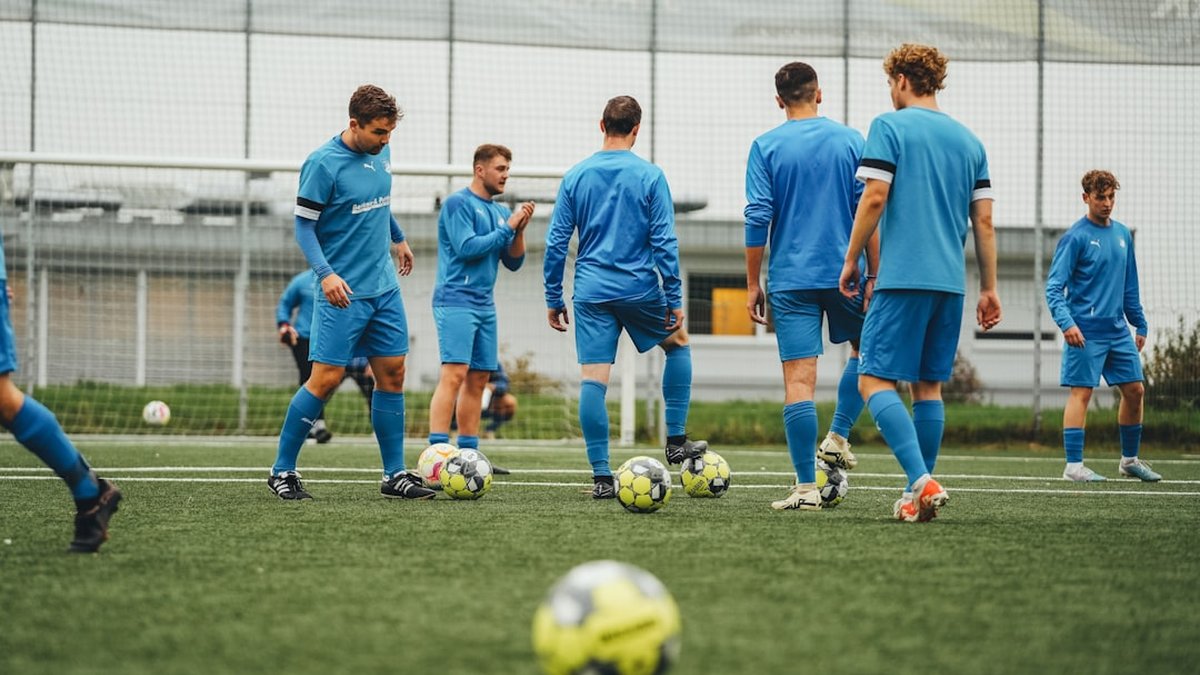 Photo by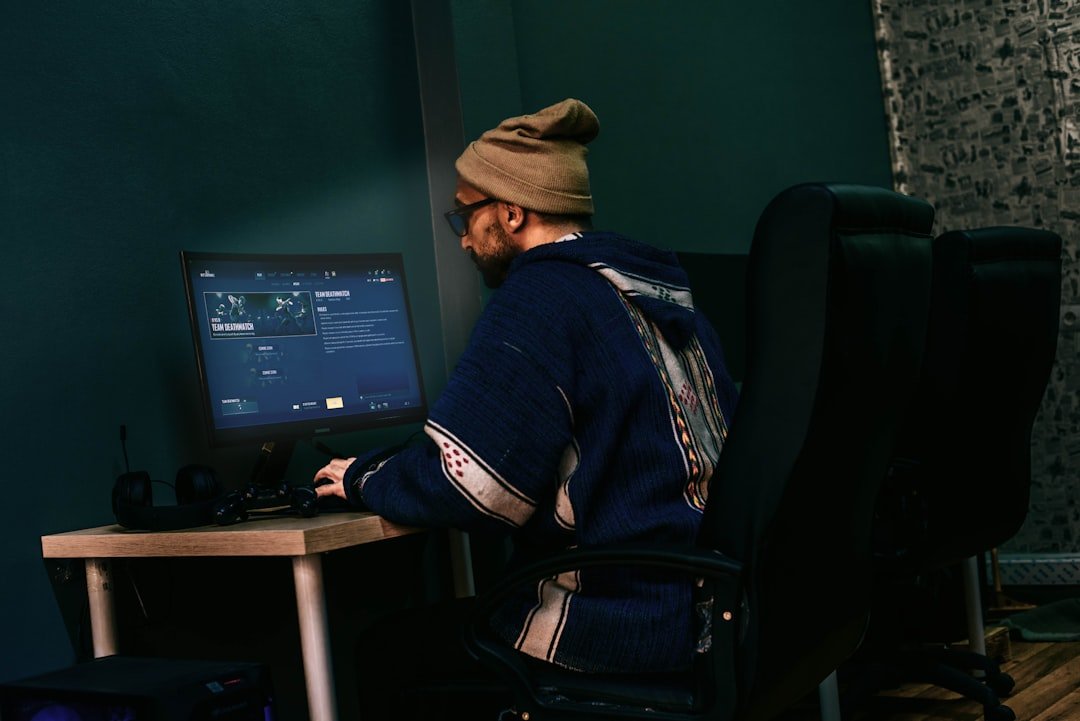
Comments
No comments yet. Be the first to comment!
Leave a Comment